In October 2022, somebody listed a McDonald's Happy Meal toy for $300,000.95.
The toy came in a roughly $12.95 box, the adult Happy Meal McDonald's ran with Cactus Plant Flea Market. Be clear about what that number was: a listing, not a sale. Nobody paid $300K for a plastic Grimace. The highest confirmed sale was $2,400, and that was for a sealed lot of 150 toys. That works out to $16 a toy. Individual figures realistically traded around $20 to $40.
But somebody typed $300,000.95 with a straight face. That's the plot, and that's where we may have lost it.
When every mass-market product ships pre-labeled as a "limited-edition collectible," graded and flipped before it's even loved, the word stops meaning scarce. It starts meaning marketed.
So have we lost the plot? Partly yes. Here's the honest split.
"Limited Edition" Is the Default Now, Not the Exception
Scarcity used to be a fact about a thing. Now it's a line on the box.
Stanley turned a 1913 thermos brand into a phenomenon by drip-feeding limited colorways. The tumblers retail around $40 to $57. Limited runs reportedly resold for $200 to $400, with Target's Valentine's pink cups in 2024 reportedly hitting around $400. Treat the flip prices as directional, not confirmed comps.
Stanley is privately held, so its revenue arc is reported, not audited. Coverage put it at roughly $73 million in 2019 and around $750 million in 2023 to 2024. The product barely changed. The scarcity marketing did all the work.
Crocs collabs retail $65 to $75 and resell $150 to $350 by similar directional figures. Nike under-produces on purpose, so manufactured scarcity is just the default setting. Blind boxes sell you the scarcity as the entire point.
We saw the purest version of this in the Marathon Collector's Edition. Numbered, COA'd, capped, sold as a grail before the game had proven it had an audience. The scarcity was printed on the box before the product earned a single fan.
That's the move. Decide a thing is collectible at the factory, then sell that decision back to the crowd.
Grade Everything, Slab Everything
The grading numbers tell the same story from the other end.
PSA grades around 90,000 cards a day now, roughly 1.9 million a month. In 2021 that figure was closer to 15,000 a day. On June 2, 2026, PSA paused all four Value tiers under a backlog reported north of 10 million cards. We covered the Value-tier pause when it hit.
CGC expanded into K-pop photocards. There is now a slab for the thing inside the album.
But here's the tell. PSA discontinued Funko Pop grading, effective December 1, 2025. A grader looked at a saturated segment and walked away from the fees.
That's the lesson hiding in the whole grading boom. A slab certifies meaning. It does not create it. When you can grade anything, the grade stops telling you the thing is special. It just tells you somebody paid to put it in plastic.
What Happens When the Supply Was a Choice All Along
We have run this experiment before. It ends the same way every time.
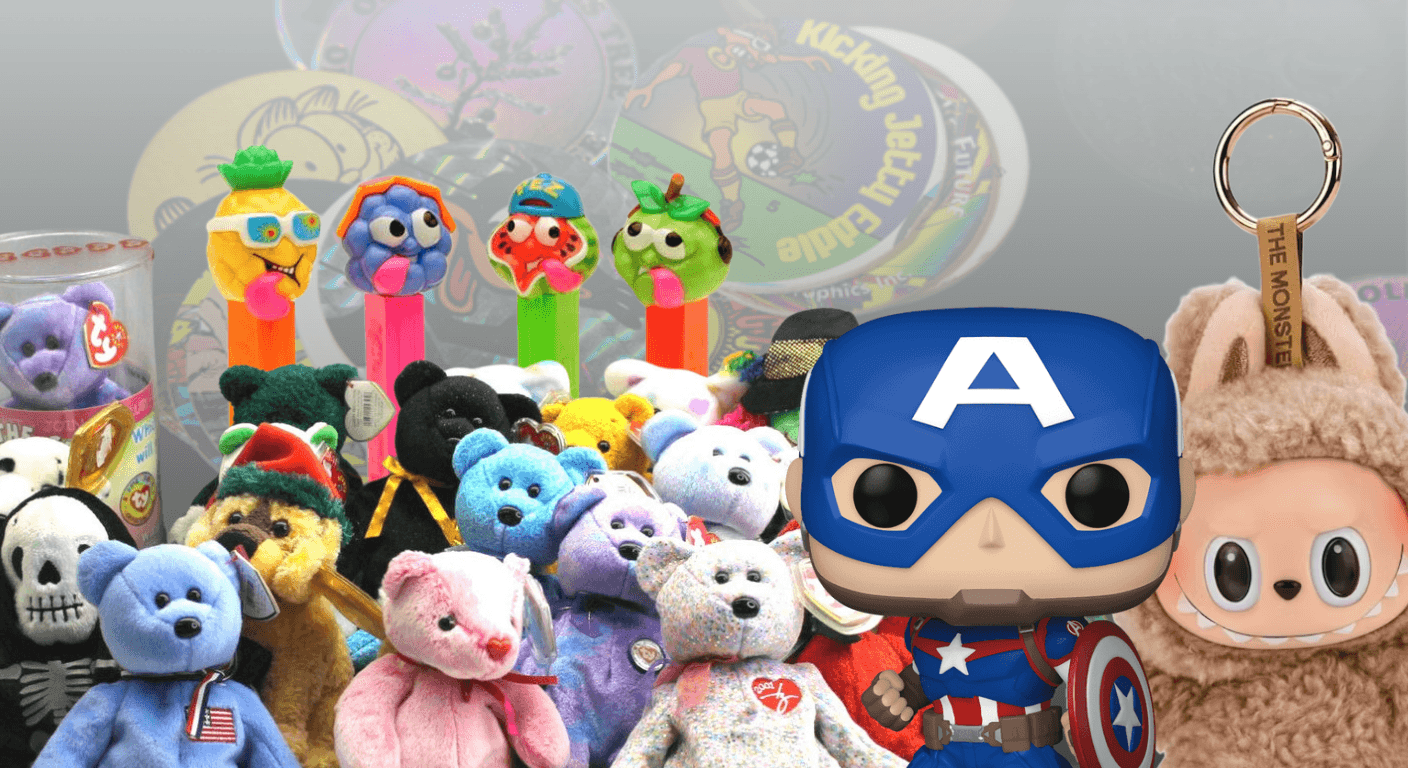
Beanie Babies were doing around $1 billion a year at the 1998 peak, reportedly about 10% of all eBay sales. The September 1999 retirement announcement broke the spell, and values fell to roughly 2% of their highs. The scarcity was engineered, and engineered scarcity unwinds.
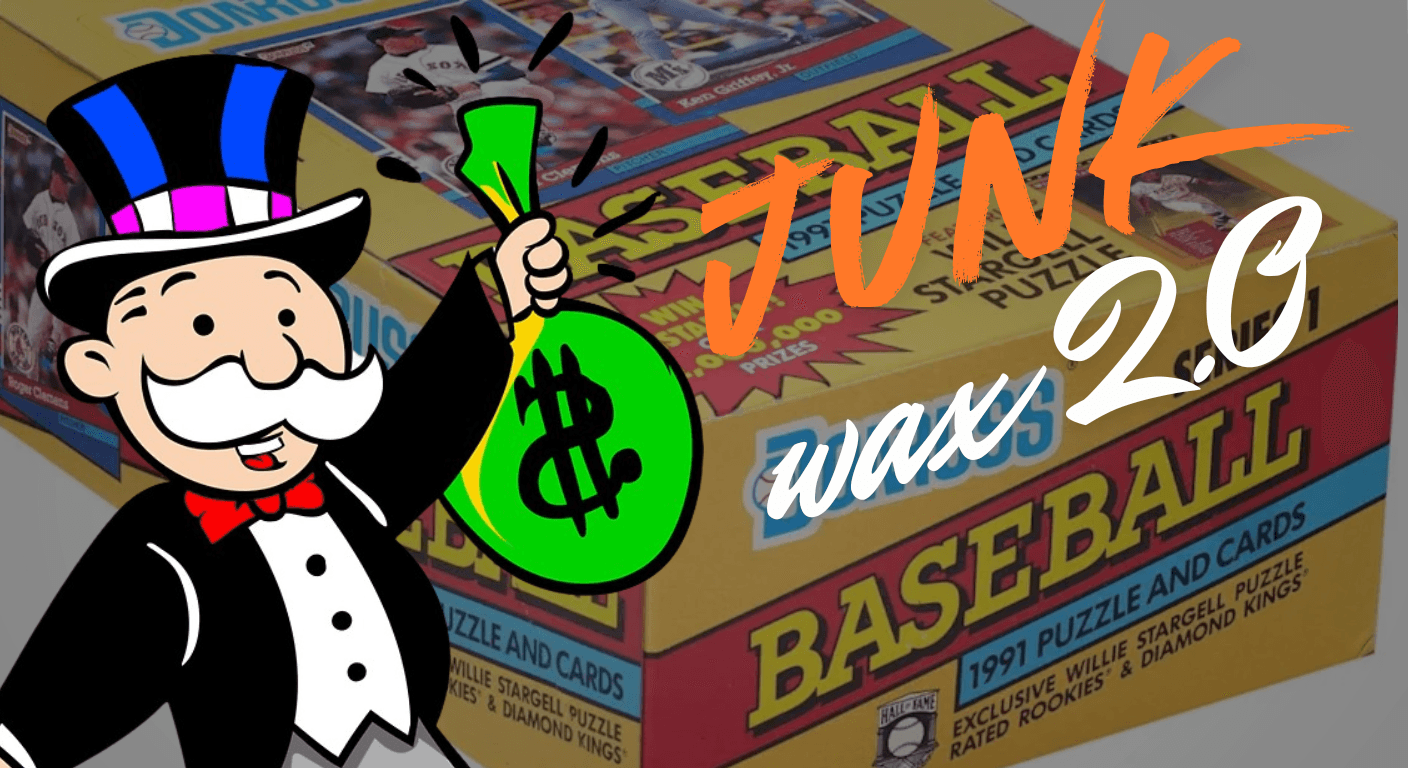
The Junk Wax Era, 1986 to 1993, overproduced cards into oblivion. Rookies from that window trade for cents. You cannot make a card rare by printing millions of it.
NFTs took the script digital. Chainalysis tracked $44.2 billion in inflows in 2021, but Dune Analytics found more than 80% of January 2022 volume was wash trading. The average price fell roughly 92%, from about $3,894 to about $293 inside a year. We walked through that collapse in the shill-bidding editorial.
Then Funko, the cautionary tale of our exact moment. More than 10,000 unique Pops. Non-limited resale reportedly fell 30 to 40% from 2021 peaks. The company announced destroying roughly $30 to $36 million of excess inventory across 2022 and early 2023, trashed, burned, landfilled.
Funko stock dropped around 56% over the past year, and the company warned it might not survive another year. That's what oversaturation looks like from the inside. The grails get buried in a landfill.
The Honest Split: Hype Commons vs. Real Scarcity
Here is where the blanket "we lost the plot" take breaks down. Because not everything moved together.
Look at the Labubu data, which we tracked through the correction. Pop Mart's revenue grew 75 to 80% year over year in Q1 2026, and the stock still fell roughly 50 to 60% from its August 2025 peak. US sales momentum cooled sharply through spring 2026, with North America growth decelerating from its 2025 highs.
But the secondary market split clean. By price-guide figures, which are directional and not confirmed sold comps, common Labubu softened to around $25 to $60. The 1:72 chases like "Big Into Energy" reportedly held near $1,700 to $2,000.
The commons cooled. The genuine scarcity held.
That's the whole thing in one data set. A common that was always going to be common finds its level. A real 1:72 pull that's actually scarce does not. The word "collectible" was doing two completely different jobs on the same shelf.
The Steelman: Saturation Is Also Access
Now the counterpoint, given its full weight, because it's a good one.
More people are collecting more things than ever. The global collectibles market sat around $320 billion in 2025. Roughly 71% of toy-collectible revenue is licensed IP, which means the stuff people love is the stuff they collect.
The barriers fell. Online marketplaces mean a kid in any town can buy and sell. Editioned art means a normal person can own an original instead of a print of a print. Communities are forming around Stanley cups and blind boxes the same way they once formed around stamps and coins.
And the joy is real. A kid pulling a Labubu out of a blind box feels exactly what a kid felt pulling a holo Charizard in 1999. That feeling doesn't get less real because the supply is large.
Not everything has to be an investment to be worth collecting. If saturation is what lets more people in, calling it a problem is mostly the gatekeeping reflex talking.
This is also where the contrast gets clean. An ACEO, a one-of-one original art card, is the literal opposite of manufactured scarcity. It isn't a numbered run of 5,000. It's a single object, full stop. The market is sorting back toward things that can't be reprinted.
The Honest Verdict
So, have we lost the plot? Yes and no, and the "and" is the answer.
At the manufactured-hype end, yes. A $300,000.95 listing on a Happy Meal toy, 10,000 Pops with $30 million more in a landfill, a Collector's Edition grailed before launch. That end lost the plot. "Collectible" there is just a marketing word printed before anyone decided to care.
At the genuine-passion end, nothing has changed. Real scarcity plus real demand plus a community that actually shows up still endures. The 1:72 chase held its number while the commons softened. The keys always survive the bust.
The word "collectible" is doing two jobs now, and they're pulling in opposite directions. One is a wager with a Certificate of Authenticity stapled to it. The other is a thing people genuinely love and there genuinely isn't much of.
The test we keep landing on hasn't moved. Real scarcity, genuine demand, community that endures. Hit all three and a thing holds. Miss them and the manufactured grail finds its level on the way down. The trick is knowing which one you're holding before the music stops.
---
A Note on This Reporting
This is an opinion piece. The market reads are ours. Figures on Funko, Pop Mart, and the broader collectibles market are drawn from public filings and reporting and are directional, not audited. Secondary-market prices cited from price guides are estimates, not confirmed sold comps. Where a number is disputed or unconfirmed, we say so.
Sources