Paul Skenes' 1/1 Debut Patch Auto in PSA 10 sold for $1,110,000. A LeBron 2003 Topps Chrome Gold Refractor PSA 10 went for $1,100,000. Cooper Flagg on-card autos are cracking five figures on case hits.
Meanwhile, every base card in a Fanatics/Topps NBA product has 1.26 million copies. There are more than 429 million cards floating around from those releases alone. Analysts are openly calling it "Junk Wax Era 2.0."
Both of these realities exist at the same time. The sports card market didn't grow or shrink. It fractured.
The Grail Market Is Running
The top end of the hobby has never been hotter.
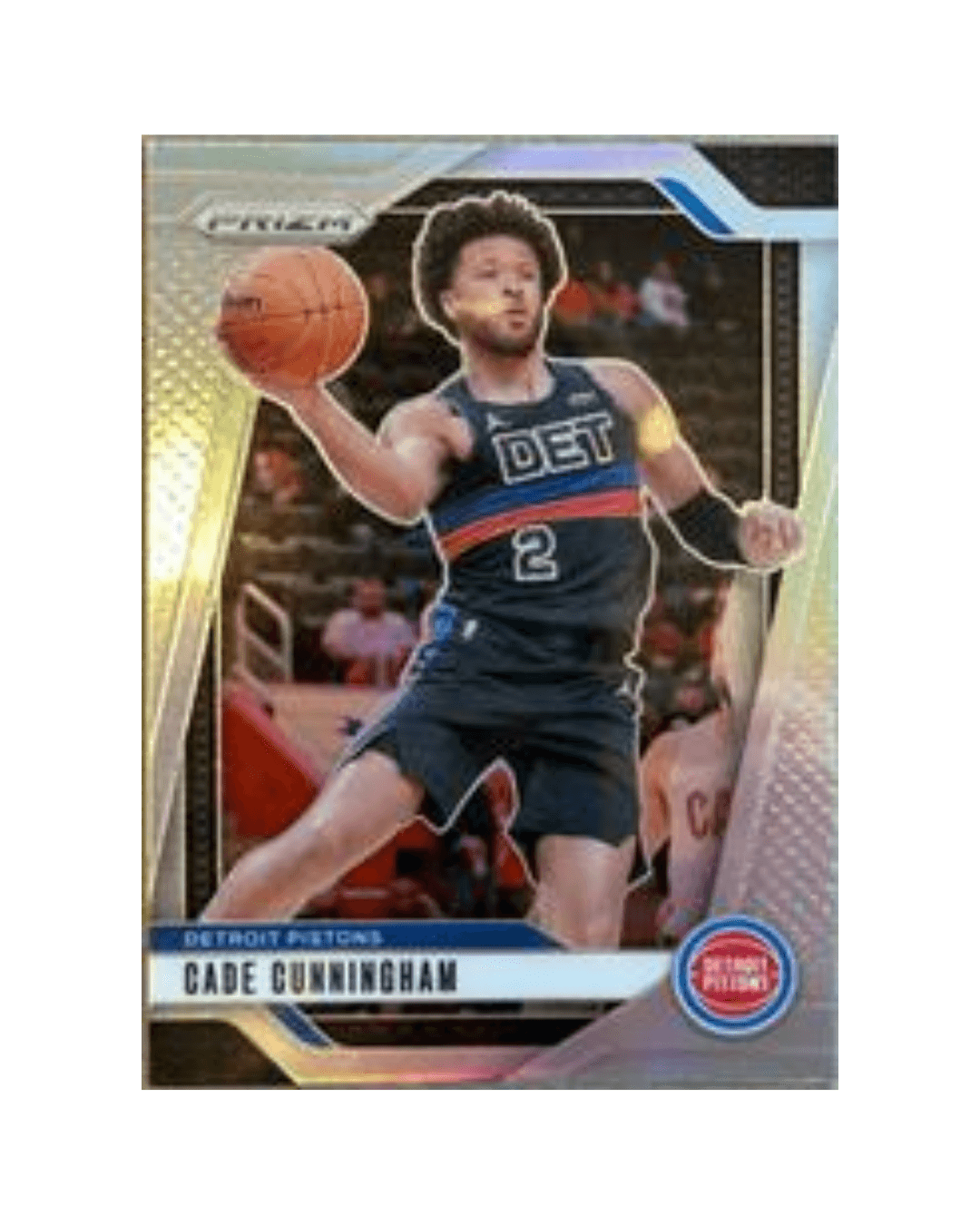
Cade Cunningham's Silver Prizm Rookie is at $107 raw. That's an 88% jump in 30 days. Konnor Griffin's 1st Bowman Refractor hit $312, up 60% since January 1. These are real numbers on real cards with real demand behind them.
Heritage Auctions closed 2025 above $2.15 billion in total sales. Fifth consecutive annual record. The auction houses aren't slowing down because the consignors aren't slowing down. Trophy cards keep finding buyers at prices that make last year's records look quaint.
The pattern is clear. PSA 10s, 1/1s, low serial numbered parallels, and on-card autos from the right players are accelerating. Scarcity plus authentication plus star power equals money.
The Base Card Graveyard
Now look at the other side.
2025 Topps Update printed 228.25 million cards. That's a 39.8% increase over 2024 Topps Update. Nearly 40% more cards in one year. For a product where the base cards were already struggling to hold any meaningful value.
The Fanatics/Topps NBA numbers are worse. Over 429 million cards produced. When each base card exists in 1.26 million copies, you're not collecting. You're sorting through landfill material with trading card branding.
This is the math that kills a mid-tier market. When supply is effectively infinite, the only cards worth anything are the ones that aren't.
The Buzelis Warning
Want a cautionary tale? Look at Matas Buzelis.
His cards averaged $428.20. Now they're at $168. That's a 60.76% drop. Buzelis isn't a bust. He's a young player on a rebuilding team. But the market printed so many of his cards that even decent NBA production can't support the supply.
This is what happens when product runs are calibrated for speculation-era demand but the speculators already left. The flippers from 2020-2021 moved on. The product volume didn't.
Rookies who don't immediately produce All-Star numbers get buried. There's no floor when there are a million copies of your base card sitting in dime boxes and unopened retail packs at Walmart.
What Actually Holds Value
The line between the two markets is sharp and getting sharper.
Cards that hold or gain value: PSA 10 vintage keys. 1/1 patches and autos. Low serial parallels (/5, /10, /25) of proven stars. On-card autographs from first-round picks who produce immediately. Anything with genuine scarcity that can be verified.
Cards that don't: base cards from mass-produced sets. Mid-tier parallels (/199, /299) of unproven players. Unlicensed product. Anything where the print run makes the word "collectible" feel generous.
The threshold keeps moving up. A /99 parallel used to feel scarce. Now it feels like a participation trophy.
Heritage Says It All
Heritage Auctions hitting $2.15 billion tells you everything about where the money is going. It's going to the top. Auction houses don't set consecutive annual records by selling base cards and mid-tier rookies. They do it by selling grails to collectors and investors who treat cards like alternative assets.
That money isn't trickling down to your local card shop's dollar boxes. It's concentrating at the peak. The rich cards get richer. The common cards get more common.
Pick Your Market
The sports card hobby is two markets now. Accept it.
If you're chasing grails, buying graded keys, and targeting scarce parallels of proven players, you're in the market that's setting records. If you're ripping retail hoping base cards and mid-tier rookies will appreciate, you're fighting a supply problem that isn't going away.
The hobby didn't die. It bifurcated. Know which side you're on before you spend another dollar.