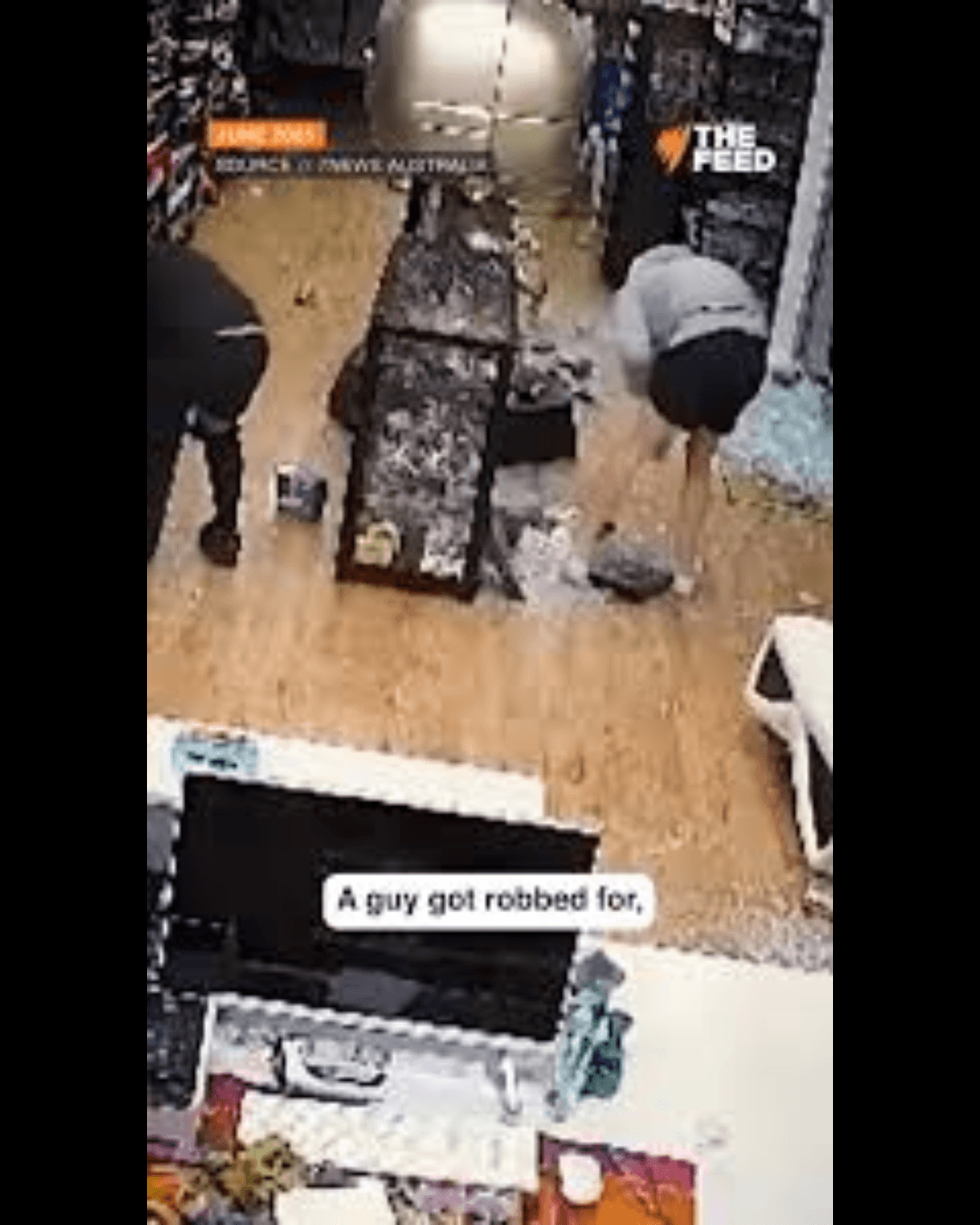
Three masked men walked into a Pokemon card shop in Manhattan's Meatpacking District on January 14. One had a handgun. Another had a hammer. More than 40 customers were inside for a community event. The crew smashed display cases, grabbed over $100,000 in merchandise, and left. The whole thing took minutes.
The shop was Poke Court (now renamed The Trainer Court after Nintendo's legal team reached out post-robbery). It had been open for two months.
That robbery got national headlines. But it wasn't an isolated incident. It was part of a pattern that's been building for over a year. And the methods are getting more sophisticated.
The SoCal Wave
Southern California has been hit hardest. Losses across the region topped $500,000 in just the first two months of 2026.
In December 2025, four men broke into LA Sports Cards in Burbank using a crowbar and power tools. They ransacked the place and walked out with roughly $100,000 in Pokemon and sports cards, including a rare Cristiano Ronaldo card estimated at $100,000 by itself. All four suspects were later arrested after search warrants were served at four separate locations.
That same month, thieves broke into Cards & Coffee in Woodland Hills by tunneling through from a neighboring restaurant. They got $30,000. The next day, using similar tactics, a crew hit Blu Sports Cards in Glendale for $100,000.
In early January 2026, a customer leaving RWT Collective in Sawtelle was robbed at gunpoint in the parking garage. Two men took an estimated $300,000 to $500,000 in Pokemon cards from his trunk. The cards were from his personal collection. He had just been inside the shop.
Simi Sportscards in Simi Valley was robbed for the second time at the start of January.
Then on February 18, it happened again. Four suspects broke into an insurance office next door to DOWE Collectibles in Anaheim, smashed through the shared drywall with a sledgehammer, and tunneled into the card shop. They were in and out in five to seven minutes. Over 500 cards stolen, some individually worth thousands. Total loss: $180,000. No arrests.
Not Just California
In October 2025, someone walked into Tom Brady's CardVault store in SoHo, just 12 days after it opened, and bypassed the payment terminal to walk out with $9,710 in Pokemon and baseball cards. The NYPD's Financial Crimes Task Force is investigating.
In January 2026, a burglar hit State Line Sports Cards in Illinois twice on the same day, 13 minutes apart. First trip: a Caleb Williams and Rome Odunze card worth about $4,000. Second trip: more cards plus a sealed Panini Black Hobby Box.
Then there's the Rutgers incident. During a men's basketball game at Jersey Mike's Arena, someone accessed a locked office with no signs of forced entry and stole thousands of One Piece promotional trading cards meant for a fan giveaway. Estimated secondary market value: up to $2 million. No suspects have been identified.
In the UK, a wave of targeted home robberies has hit Pokemon content creators. Multiple collectors have been burglarized. Some YouTubers have started removing or blurring their card collections in video backgrounds. The walls of sealed booster boxes that used to be a flex are now a security liability.
The Value Density Problem
A single graded Pokemon card can be worth more than a car. A shoebox of vintage cards can be worth more than the building they're stored in. This is the fundamental issue.
Card shops are essentially unregulated jewelry stores. They hold six figures of portable, easily liquidated inventory behind glass cases and drywall. Most don't have the security infrastructure that a jewelry store would. No reinforced walls. No time-delay safes. Sometimes no cameras.
And unlike jewelry, individual cards are harder to trace after theft. Graded cards have serial numbers through PSA, BGS, and CGC, which helps. But raw cards? Once they're gone, they're gone.
Insurance Barely Covers This
Here's the part most collectors don't think about until it's too late.
Standard homeowner's or renter's insurance policies cap collectibles coverage at somewhere between $1,000 and $5,000. Your policy might reimburse you $1 for a stolen Pokemon card regardless of its actual value. Most policies classify trading cards under "personal effects" or "memorabilia" with extremely low sub-limits.
Specialized collectibles insurance exists through companies like Collectibles Insurance Services, Chubb, and American Collectors Insurance. These offer agreed-value coverage with no depreciation and deductibles starting at $0. But most collectors don't carry it. Most shop owners are underinsured too.
After one of the SoCal robberies, the shop owner publicly noted that insurance was unlikely to cover the full loss. That's the norm, not the exception.
How Shops Are Responding
Card shops across Southern California have started self-organizing. They're alerting each other about break-ins in real time. They're sharing suspect descriptions and surveillance footage.
Individual stores are installing metal security gates, reinforcing shared walls, and implementing new employee safety protocols. One shop owner told reporters: "Make sure you are never alone, always have someone with you." That's the reality now.
Some shops are reducing the amount of high-value inventory on the sales floor. The days of having $50,000 in graded slabs sitting in an unlocked glass case may be ending.
What This Means
When your hobby attracts organized crews with sledgehammers and handguns, it's not "just cards" anymore. These aren't shoplifters pocketing a pack of commons. These are coordinated operations targeting specific high-value inventory with tunnel jobs, armed robbery, and social engineering.
The trading card market crossed $50 billion in annual sales globally. A single card sold for $16.49 million last week. The criminals have noticed.
Collectors should audit their insurance coverage today. Shop owners should treat their inventory like what it is: portable, high-value assets that need real security. And the hobby as a whole needs to reckon with the fact that the same explosive growth that made collecting exciting also made it a target.
The boom brought the cameras. It also brought the crowbars.