The retro gaming collectibles market hit an estimated $4.18 billion in 2026. That's up from $3.8 billion in 2025. A 10% year-over-year jump in a hobby that most people still think is about dusty cartridges in a basement.
It's not. This is one of the fastest-growing segments in the entire collectibles market. And the growth has a very specific demographic engine behind it.
The Nostalgia Tax Is Real
Millennials and Gen X are driving this market. Not teenagers. Not day traders looking for the next flip. People in their 30s, 40s, and 50s with disposable income and very specific memories of playing Super Mario Bros. 3 on a CRT television.
That emotional connection is the engine. You can chart it. NES and SNES titles that defined the late '80s and early '90s command the strongest premiums. Rare titles in those libraries now trade anywhere from $100 to $5,000 and up, depending on condition and rarity. The further you get from the games these buyers actually played, the thinner the demand gets.
This isn't speculation driven. It's memory driven. And that makes the floor sturdier than most collectibles categories.
The $8.5 Billion Projection
Industry projections peg the retro gaming collectibles market at $8.5 billion by 2033. That's a 10% compound annual growth rate sustained over seven years.
For context, the broader gaming console market grows at roughly 3%. The trading card market sits around 6-7% CAGR. Retro games are outpacing both.
The growth is coming from three places. More collectors entering the hobby as nostalgia-age demographics hit peak earning years. More platforms and titles being recognized as collectible. And more infrastructure making it possible to grade, authenticate, and trade these items at scale.
Sealed Is the New Sealed Wax
If you collect trading cards, you already understand this concept. A sealed pack is worth more than a loose pack. A sealed box is worth more than a sealed pack. Condition and factory seal integrity are everything.
Sealed games are the same story. A loose cartridge of a common NES title might be worth $15. The same game factory-sealed can fetch $500. A rare title sealed and graded can go five figures without breaking a sweat.
The parallel to sealed wax in the card hobby is almost exact. The same psychology. The same premium structure. The same debates about whether to open or hold.
CGC's $40 Bet
The grading infrastructure is catching up fast. In January 2026, CGC expanded its video game grading to cover Famicom, Japanese Game Boy, Game Boy Advance, Atari, Sega Genesis, PS1, and Dreamcast titles. They also simplified pricing to a flat $40 per game on their Standard tier.
That $40 price point matters. It's low enough to grade mid-tier games without the math falling apart. You don't need a $2,000 game to justify a $40 grading fee. A $200 game works. Even a $100 game works if you're building a graded set.
More platforms graded means more games entering the authenticated market. More games authenticated means more liquidity. More liquidity means more collectors willing to buy graded. It's a flywheel. CGC is spinning it hard.
What Categories to Watch
Not all retro games are created equal. The categories pulling the strongest demand right now.
NES and SNES first-party titles. Mario, Zelda, Metroid. The blue chips. These are the Base Set Charizards of retro gaming. Consistent demand, limited sealed supply, and name recognition that transcends the hobby.
Japanese imports. Famicom and Japanese Game Boy titles are underpriced relative to their American counterparts. CGC's expansion into these formats is a signal. International collectors have been buying these for years. Now they can get them graded.
PS1 long boxes. Early PlayStation games came in tall cardboard boxes before the industry standardized on jewel cases. These are fragile, rare in sealed condition, and increasingly sought after. A sealed long box copy of a recognizable title is a scarce item.
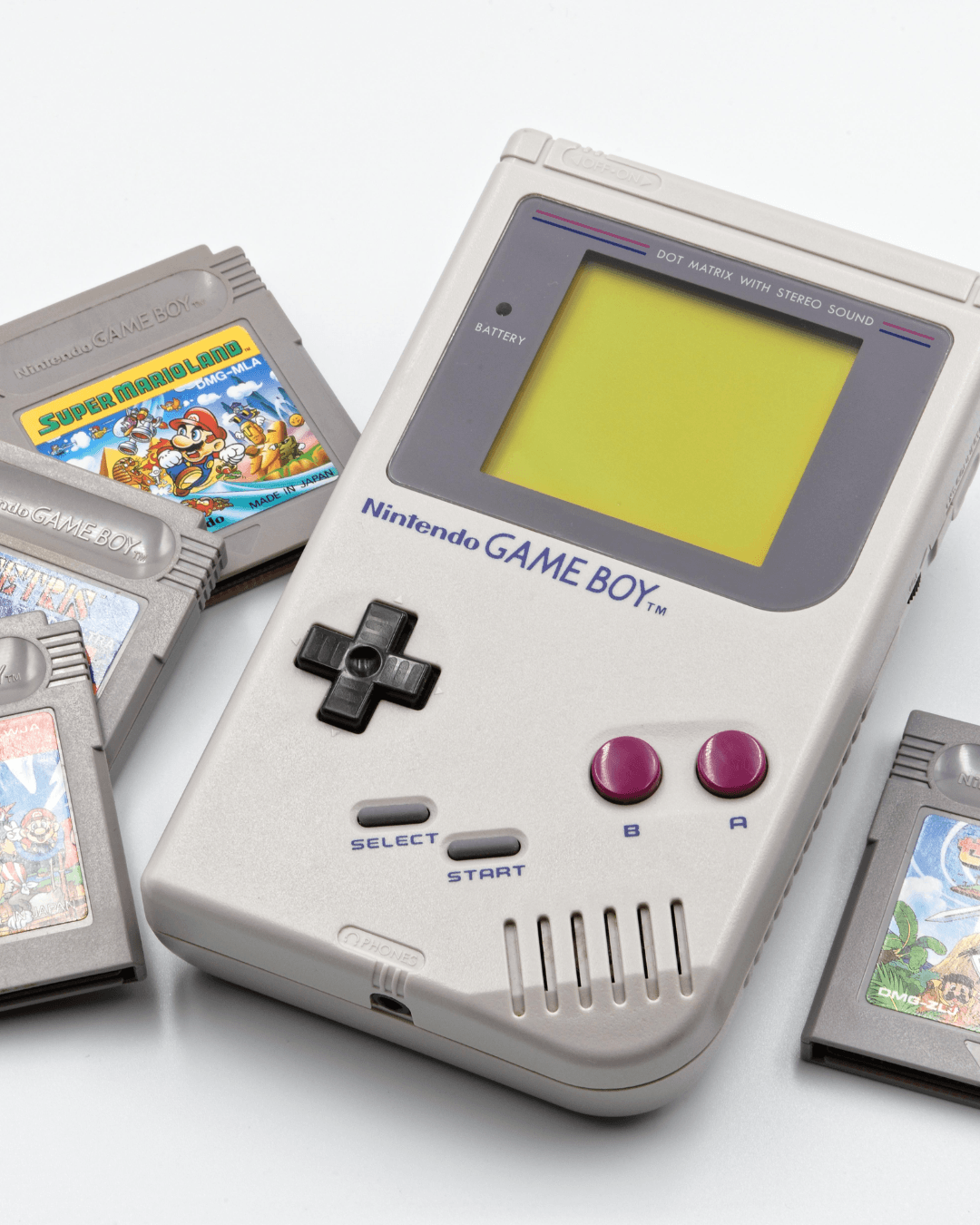
Sealed hardware. A sealed NES console. A sealed Game Boy. These are the trophy pieces. Low supply. High display value. The kind of item that anchors a collection.
The Risk Nobody Talks About
Hardware authenticity is a growing concern. Reproduction cartridges, repro labels, and resealed games are a real problem in this hobby. Unlike trading cards, where authentication methods are decades old, video game authentication is still maturing. The grading companies help, but not every game gets graded. The secondary market on eBay and local shops still runs largely on trust and seller reputation.
If you're buying raw sealed games at any serious price point, know your seller. If you can't verify the seal, get it graded before you pay a premium.
Not Niche Anymore
A $4 billion market with 10% annual growth, institutional grading infrastructure, and a demographic tailwind that won't fade for another 20 years. That's not a niche hobby. That's a market.
The collectors who bought sealed NES games five years ago because they loved the games are sitting on real returns. The ones entering now are paying more, but they're buying into a category with better infrastructure, more data, and more exit options than it's ever had. The retro gaming market grew up. The prices reflect it.